
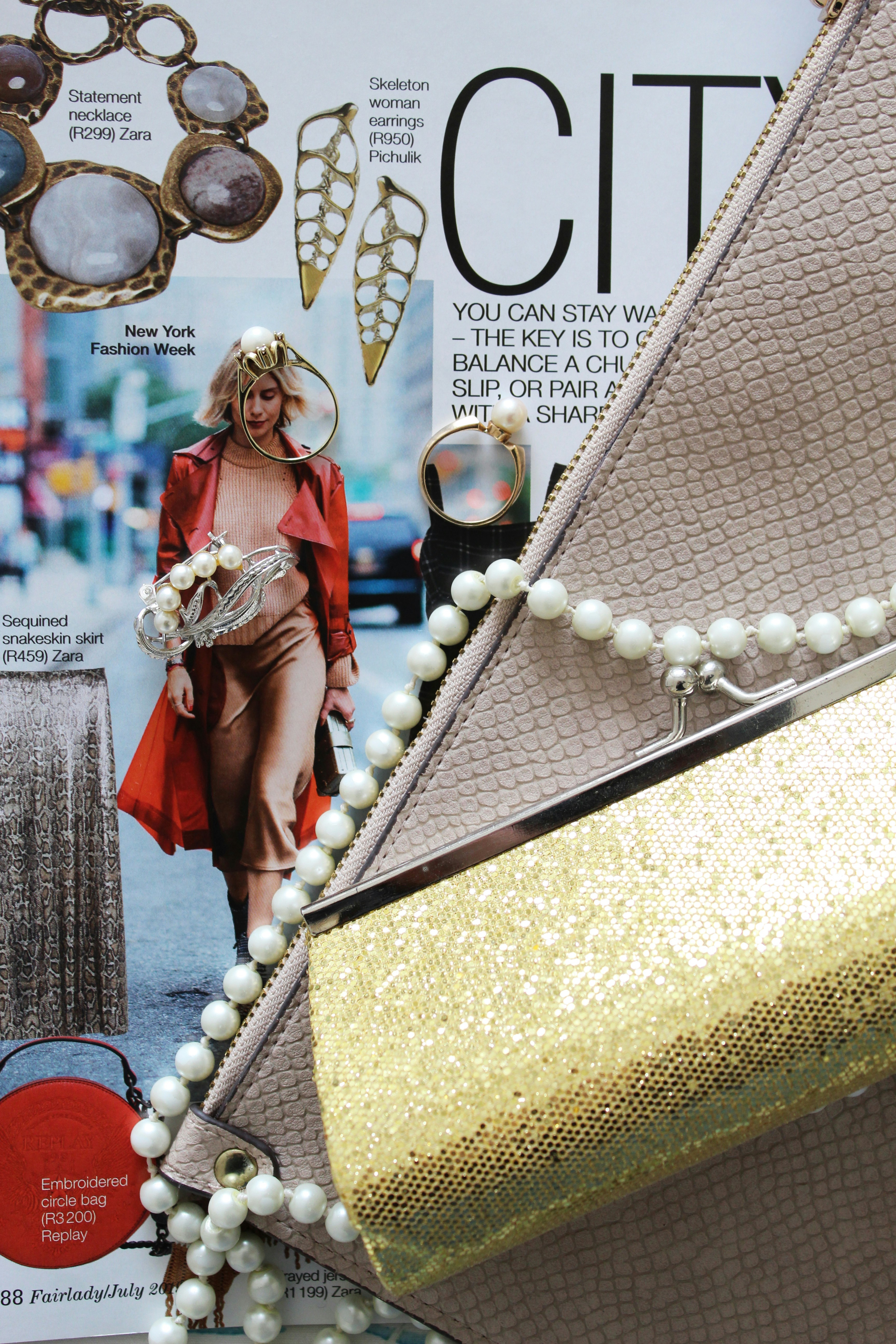
The Historical Context of Fashion
The origins of fashion can be traced back to ancient civilizations, where clothing served not only practical purposes but also conveyed social status and cultural identity. In ancient Egypt, for instance, the use of linen as a fabric was symbolic of wealth and purity, while in Rome, the toga was emblematic of citizenship. These early examples illustrate how clothing was intertwined with social hierarchies and norms.
As societies evolved, so too did fashion, reflecting the shifts in power, economy, and culture. The Middle Ages marked a significant period where clothing became heavily regulated, influenced by laws dictating what individuals could wear based on their class. During this era, garment design was often elaborate, serving to distinguish nobility from commoners. The Renaissance later introduced a new appreciation for art and individuality, leading to the vibrant styles characterized by luxurious fabrics and intricate details.
Furthermore, the Industrial Revolution in the 18th century dramatically changed the landscape of fashion. The advent of mass production made clothing more accessible, altering consumption patterns. With this democratization of fashion came a focus on trends, with figures such as Coco Chanel and Christian Dior emerging as pivotal influencers in the 20th century. Their contributions not only redefined aesthetics but also challenged social norms, particularly concerning gender roles.
Throughout history, fashion has consistently mirrored the values and challenges of the times. The significance of clothing extends beyond mere appearance; it serves as a lens through which to understand cultural identity. In today’s globalized world, this interaction continues as fashion evolves, reflecting contemporary societal issues, technological advancements, and the influence of digital media.
Major Fashion Trends Through the Decades
The evolution of fashion from the 1920s to the present has been marked by distinct trends that reflect the changing social, political, and cultural landscape. Each decade introduced unique styles, materials, and silhouettes that not only defined the era but also left a lasting impact on the industry.
The 1920s, often dubbed the “Roaring Twenties,” were characterized by flapper dresses, bobbed hair, and the iconic cloche hat. Influential designers such as Coco Chanel and Paul Poiret revolutionized women’s fashion, favoring comfort and liberation through the use of lighter fabrics and relaxed fits. The era also embraced bold colors and Art Deco patterns, setting the stage for fashion’s modernism.
In the 1930s, the economic downturn brought a shift towards more conservative styles. The Hollywood glam influenced this decade, with figure-hugging dresses, high waistlines, and luxurious fabrics like silk and satin dominating the scene. Noteworthy figures such as Vivienne Westwood emerged, changing public perception of femininity through high fashion.
The 1950s saw the emergence of the “New Look” by Christian Dior, reintroducing structured designs with cinched waistlines and full skirts. The incorporation of vibrant colors and floral prints became synonymous with post-war optimism. Meanwhile, the youth culture in the late 50s began to embrace rock and roll style, paving the way for the casual looks of the 1960s.
The 1960s and 1970s brought revolutionary changes. From mod styles with mini skirts and bold patterns to the bohemian vibe of the hippie movement, this era celebrated individuality and rebellion. Designers like Mary Quant and Pierre Cardin played significant roles in shaping these trends. The introduction of materials such as polyester altered fashion manufacturing forever.
As we moved into the 1980s, extravagant fashion took center stage with power suits, shoulder pads, and vibrant colors exemplifying strength and confidence. Designers like Gianni Versace and Vivienne Westwood became household names, pushing boundaries in terms of both design and cultural statements.
The 1990s ushered in a more relaxed aesthetic, with grunge fashion, minimalism, and streetwear gaining popularity. With key influences from artists like Kurt Cobain and icons like Kate Moss, denim, oversized clothing, and thrift-store finds became staples of the decade.
Today, fashion trends are more eclectic, blending various influences from previous decades while emphasizing sustainability and inclusivity. The rise of digital platforms has enabled diverse voices and styles to gain visibility, showcasing an unprecedented democratization of fashion. As we move forward, the continuous interplay of cultural shifts, technology, and consumer preferences will undoubtedly shape the next chapter in fashion’s evolution.
In recent years, the fashion industry has undergone a significant transformation driven by advancements in technology and the proliferation of media platforms. The rise of online shopping has fundamentally changed the way consumers approach fashion. No longer limited to brick-and-mortar stores, shoppers can now browse and purchase clothing from around the world with just a few clicks. This shift has given birth to a new era of convenience and accessibility, impacting both consumers and retailers alike. Brands are increasingly investing in robust e-commerce platforms to meet the growing demand for online shopping options, which allows them to reach a wider audience than ever before.
Social media has played a critical role in shaping fashion trends and influencing consumer behavior. Platforms such as Instagram, TikTok, and Pinterest have become vital spaces for brands to connect with potential customers. Influencers have emerged as powerful figures in this dynamic, often dictating trends through their personal styles and curated content. The immediacy of social media allows trends to spread at an unprecedented pace, affecting not just what is popular but how quickly it can change. Brands now prioritize collaborations with influencers, recognizing their ability to engage audiences and boost brand visibility.
Moreover, the digital revolution has introduced innovative trends like digital fashion shows, allowing designers to showcase their work in entirely new formats. These virtual showcases not only eliminate geographical barriers but also enable more sustainable practices by reducing waste associated with traditional runway shows. The integration of technology extends further into production processes through the use of artificial intelligence and automation, which streamline manufacturing and enhance design capabilities. As a result, the fashion industry is becoming more responsive to consumer needs and preferences, leading to a more dynamic and innovative landscape.
Looking Ahead: The Future of Fashion
The future of fashion is poised for a transformative shift, influenced by various trends and emerging technologies that are reshaping the industry landscape. One prominent area of focus is sustainability in fashion. As consumers increasingly prioritize environmentally friendly practices, brands are adopting eco-conscious materials and manufacturing processes. This move not only caters to a growing market of environmentally aware shoppers but also addresses the critical issue of waste generated by fast fashion. The evolution of sustainable practices could redefine industry standards and significantly impact design philosophies.
In parallel, the rise of virtual clothing represents a groundbreaking innovation that could change how we perceive and purchase fashion. As digital avatars and augmented reality applications become more prevalent, virtual garments are gaining traction among consumers. This trend allows users to experiment with their styles without the environmental footprint associated with physical production. The concept of virtual fashion not only opens the door to limitless creativity but could also pave the way for a new economic model within the industry, where digital pieces potentially outperform their physical counterparts.
Moreover, the integration of artificial intelligence in design is another key factor that is likely to influence the future of fashion. AI can analyze consumer preferences and predict upcoming trends, offering designers valuable insights to inform their collections. This technology empowers brands to create collections that resonate with consumers on a deeper level, thus enhancing customer satisfaction and loyalty. However, the reliance on AI also raises questions regarding the potential loss of the human touch, traditionally synonymous with creative endeavors.
As we look ahead, it is essential to critically assess these trends and their implications for both the fashion industry and consumers. Advances in sustainability, virtual fashion, and AI could foster an environment that promotes innovation, inclusivity, and responsibility, redefining the fashion narrative for generations to come.